Learn valuable insights and strategies from industry experts.

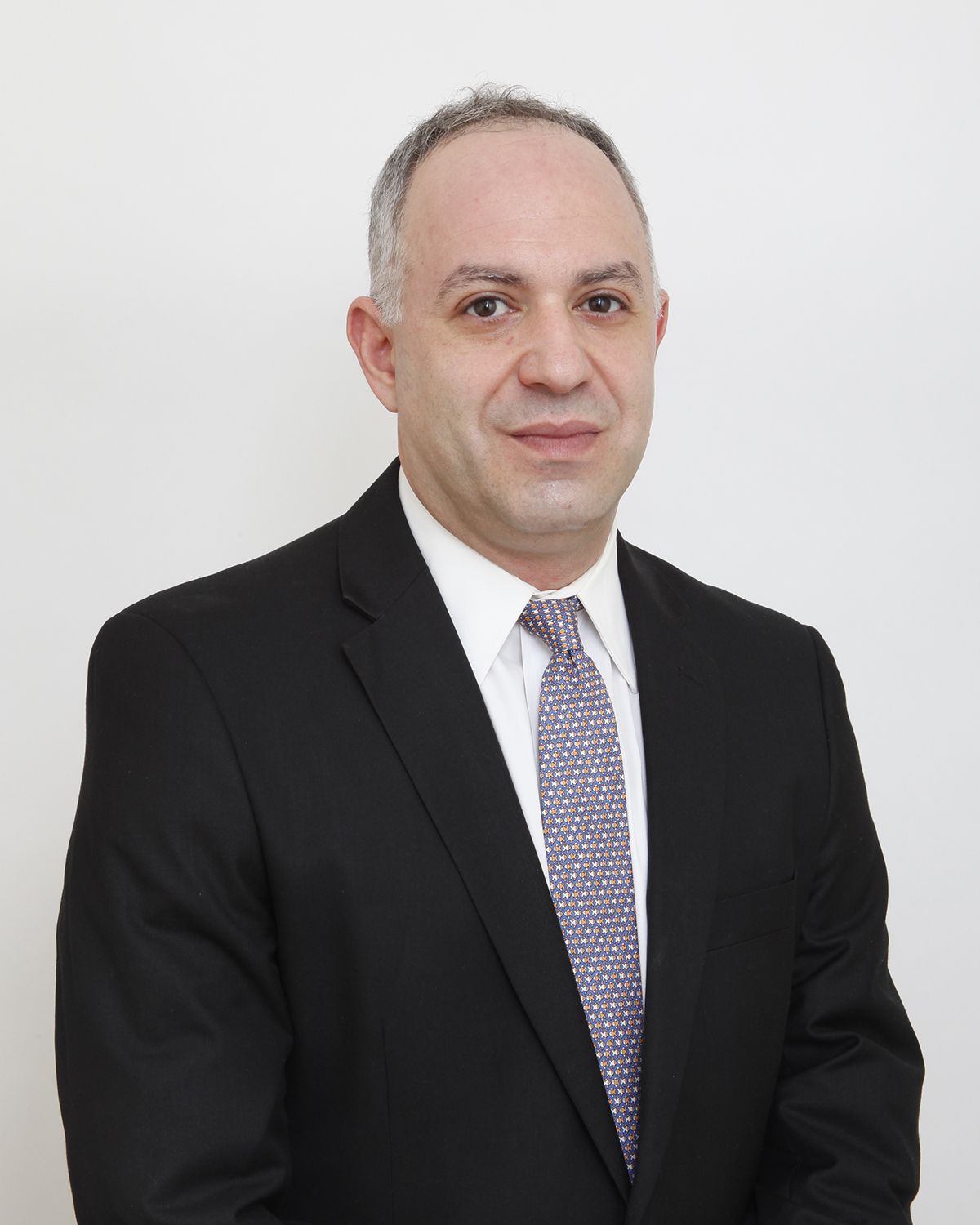
Justin brings over 20 years of wide-ranging experience in compliance, training, and regulation in the financial services sector. Most recently, he served as Head of Compliance Training at Bank of China, where he led the compliance training function and created and monitored the annual training plan through a thorough training needs analysis. Previously, he served as Macquarie Group’s Head of Americas Compliance Training and J.P. Morgan Chase’s compliance training manager. He also worked for FINRA, a US regulator, where he created Examiner University to train examiners on how to perform their function.

Speaker: Dev Strischek
Duration: 90 Minutes
Date: 13 October, 2026 (Tuesday)
Speaker: Bruce Lee
Duration: 90 Minutes
Date: 14 October, 2026 (Wednesday)
Speaker: Michael Healey
Duration: 90 Minutes
Date: 15 October, 2026 (Thursday)
Speaker: Ginette M. Collazo
Duration: 60 Minutes
Date: 15 October, 2026 (Thursday)