

Writing Effective 483 and Warning Letter Responses
Learn to prepare a thorough, timely response to FDA 483 observations and warning letters, structure it to meet FDA expectations, submit it and follow up correctly.
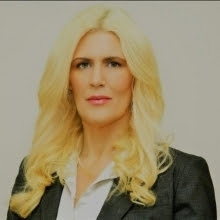 Speaker
Kelly Thomas
cGMP quality and validation consultant · 20+ years in cGMP industry
Overview
FDA inspections check that companies comply with the regulations and quality standards that apply to them, and even well-run firms can receive a Form 483 or warning letter. Because responses are due within 15 days, there is little time to work out what the agency expects.
This 90-minute FDA 483 and warning letter response training explains why a robust, timely response matters and the risks of an inadequate one. You'll learn the elements of a thorough response, how to structure it to meet FDA expectations, and how to use a response checklist.
The session also reviews recent regulatory observations and the responses to them, the submission process, when and how to send follow-up updates, and planning for post-response outcomes.
Why attend: A weak or late response to a 483 or warning letter can lead to further regulatory action, so it pays to know what to include and how to present it before you need to. This session is valuable for anyone involved in developing, manufacturing, selling or distributing FDA-regulated healthcare products, and is a good primer for quality, manufacturing and engineering staff who write observation responses.
What’s covered
- Why a robust, timely response to 483 observations and warning letters matters
- The 15-day response timeline and the risks of an inadequate response
- Elements of a thorough response
- Structuring the response to meet FDA expectations
- Using a response checklist
- Recent regulatory observations and their responses
- The submission process
- Follow-up updates after the initial response
- Post-response outcomes
Who should attend
What you get
About the speaker
Ms. Thomas has over two decades of cGMP hands-on industry experience in both pharmaceutical and medical device manufacturing operations. Her experience covers all Quality Systems; as well as, all areas of validation; including, process/product validation, facilities validation, CSV and 21 CFR Part 11, test method validation, equipment/automated processes and cleaning validation.
Utilizing strategic thinking, risk based approaches, and Lean principles, she has demonstrated success in steering and managing complex projects within the pharmaceutical and medical device industries.
More in FDA Compliance
See all 46 FDA webinars → Carolyn Troiano · 90 min
Excel Spreadsheets; Develop and Validate for 21 CFR Part 11 Compliance
 David Nettleton · 75 min
Major cGMP Issues: FDA Concerns in 2026
 Ms. Michael Redmond · 60 min
Performance of Root Cause Analysis, CAPA, and Effectiveness Checks
 Meredith Crabtree · 90 min