
Bad Standard Operating Procedures (SOPs) - Bad Training: Garbage In, Garbage Out
Learn to write SOPs that support effective GMP training, work with process owners, build SOPs into curricula and measure how well employees retain SOP content.
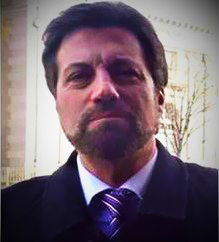 Speaker
Michael Esposito
GMP training consultant · 30+ years in pharma
Overview
Standard operating procedures are the basis for much of the day-to-day training pharmaceutical employees complete. Yet few people realize how the way an SOP is written affects training and job performance, so training misses the mark and avoidable mistakes happen.
This 90-minute SOP writing and training webinar shows how to strengthen the link between documentation and training. You'll cover regulatory requirements for SOPs, the parameters of an effective SOP, and how to tell a well-written procedure from a poor one.
You'll also learn to work with process owners and authors, turn SOPs into curricula and training, measure knowledge retention, and use existing tools to evaluate both SOPs and training.
Why attend: Poorly written SOPs lead to poor training and avoidable errors. This session offers practical, field-tested methods you can apply quickly to improve both documents and results. It suits documentation specialists and managers, technical writers, trainers, training managers and QA staff in pharmaceutical manufacturing, quality and IT who own processes or write procedures in a GMP environment.
What’s covered
- Regulatory requirements for SOPs and what is written in them
- Parameters of an effective SOP
- Telling a well-written SOP from a poor one
- Working with the process owner or author to define processes
- Translating SOPs into curricula and training
- Integrating SOPs into position curricula
- Linking SOPs to job performance and measuring retention
- Using existing tools to evaluate SOP and training effectiveness
- Review of learning objectives
Who should attend
What you get
About the speaker
Michael Esposito has over 30 years’ experience in the pharmaceutical industry and 17 years’ experience in GMP training and document management. He has worked for Wyeth Pharmaceuticals, Pfizer, and Johnson & Johnson's Consumer Healthcare Division in a variety of areas including Packaging, project administration, Quality Assurance, Government Contracts, translations, systems training, and international operations. He collaborated in the development and implementation of the training portion of the Consent Decree workplan for Johnson & Johnson Consumer Healthcare and revised their introductory GMP course. He is a member of the training organizations GMP Training Educators Association and Association for GXP Excellence and is fully fluent in Spanish. His areas of interest include systems training, training effectiveness, post-training user support, process improvement, product security, and sustainable packaging.
More in FDA Compliance
See all 46 FDA webinars → Carolyn Troiano · 90 min
Excel Spreadsheets; Develop and Validate for 21 CFR Part 11 Compliance
 David Nettleton · 75 min
Major cGMP Issues: FDA Concerns in 2026
 Ms. Michael Redmond · 60 min
Performance of Root Cause Analysis, CAPA, and Effectiveness Checks
 Meredith Crabtree · 90 min