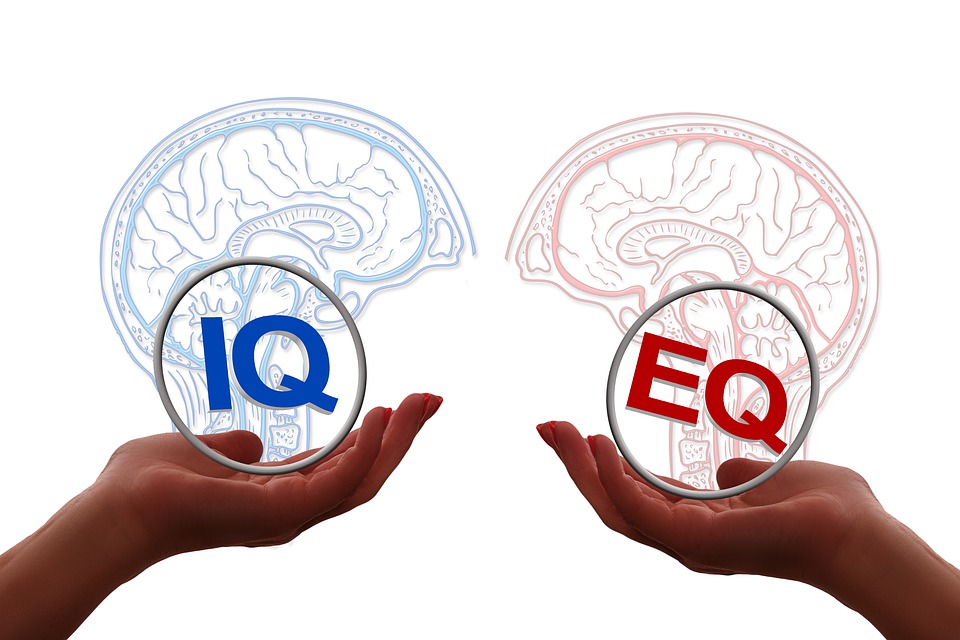


Emotional intelligence may not seem important when you have to make tough decisions at work. Yet whatever situation we face, our decisions are shaped by unconscious bias as well as analysis, and many people wonder whether to acknowledge the emotions that surface when an important decision is due. This article explains what emotional intelligence in the workplace is and how it influences decision-making.
What is emotional intelligence?
Psychology tells us emotions are part of everyone, and they influence decisions whatever the situation. At work, however, employers and employees rarely acknowledge this or let it show in their work.
Put simply, emotional intelligence is the ability to recognize emotions and use them to guide judgment in almost any situation. It can improve stability at work and create better understanding between colleagues. An emotionally intelligent person also has a stronger sense of what action to take and when.
What are the key traits of an emotionally intelligent person?
An emotionally intelligent person can handle situations that matter to their work and to the whole organization. Three traits stand out:
- Self-management: understanding your responsibilities, handling deadlines and making sound decisions.
- Motivation: the passion that helps employees and employers stay productive, work with endurance and reach major goals.
- Empathy: valuing other people’s emotions, especially in work decisions. An emotionally intelligent person supports and acknowledges other perspectives even when they differ from their own.
How does emotional intelligence help in the workplace?
Strong emotional intelligence at work helps build better relationships between employees, and between employers and employees. A high EQ is also linked to better problem-solving and staying calm under pressure.
According to a study by the Department of Psychology at UCLA, listening to, responding to and acting on constructive criticism helps people establish a firm presence at work, delegate effectively and build influence. Standing up for yourself and resolving conflicts on fair terms are further signs of how a strong EQ can strengthen your standing at work.
How can you improve your emotional intelligence?
Staying motivated and helping others stay motivated is an important part of becoming emotionally intelligent. Another is self-awareness: recognizing your emotions and what you need in the moment. Research has suggested that people with a strong EQ can be more stable than those with only a high IQ, and that they manage their work well under pressure.
Emotional intelligence also grows through feedback. Ask trusted colleagues how you come across in meetings and under pressure, and listen to the answer without defending yourself. Their view often shows patterns you cannot see on your own.
Self-awareness and a sense of responsibility add a great deal to your performance, and that is what emotional intelligence is about. Some practical steps:
- Practice naming your emotions as they come up, including small ones.
- Notice how different feelings shape your reactions.
- Focus on your strengths and weaknesses.
- Think about how you could manage your emotions in different circumstances.
Key takeaways
Emotional intelligence is a skill, not a fixed trait. Building self-management, motivation and empathy improves your decisions, your relationships with colleagues and your ability to work under pressure.
Rather than ignoring the emotions that come up at work, notice them, understand what they are telling you and use them to make better decisions. Over time, that habit makes you a more effective colleague and a stronger leader.